
If you’re ready to sharpen your skill set for 2025, you’ve got a smart spread of options on the table. Google Ads (AdWords) Workbook helps you plan and optimize search, display, and video campaigns; Canva For New and Advanced Creators shows you how to craft on-brand visuals fast; n8n Mastery gives you the playbook for automating tasks and stitching APIs together; CYBER SECURITY UNLOCKED strengthens your digital defenses; the Instrument Flying Handbook (FAA-H-8083-15B) supports your instrument flight proficiency; and PMP Exam Prep focuses you on passing the Project Management Professional exam. Together, they cover marketing, design, automation, security, aviation training, and project leadership—so you can pick what matches your goals, whether you’re scaling a business, tightening operations, or advancing a career.
Guides like these have evolved from dense, print-only manuals to practical workbooks and Kindle resources that reflect how you learn today. Marketing tactics now shift with platform updates, so a current Google Ads workbook keeps you from relying on outdated tips. Visual design moved from specialist software to accessible tools like Canva, making high-quality branding realistic for you and your team. Automation matured from scripts to user-friendly platforms like n8n, empowering you to connect services without heavy coding. Cybersecurity went from niche to essential literacy for everyone. And in highly regulated fields, FAA handbooks and structured PMP prep remain the gold standard for consistent, test-ready knowledge. The benefits are clear: you get a curated path, fewer guesswork hours on YouTube, authoritative guidance (especially for aviation and certification), hands-on exercises, templates, checklists, and practice tests you can act on immediately. Next, you’ll look more closely at each title—what it covers, who it’s best for, and how to choose the right one for your goals.
Google Ads (AdWords) Workbook: Search, Display, and Video Advertising (2025 Edition)
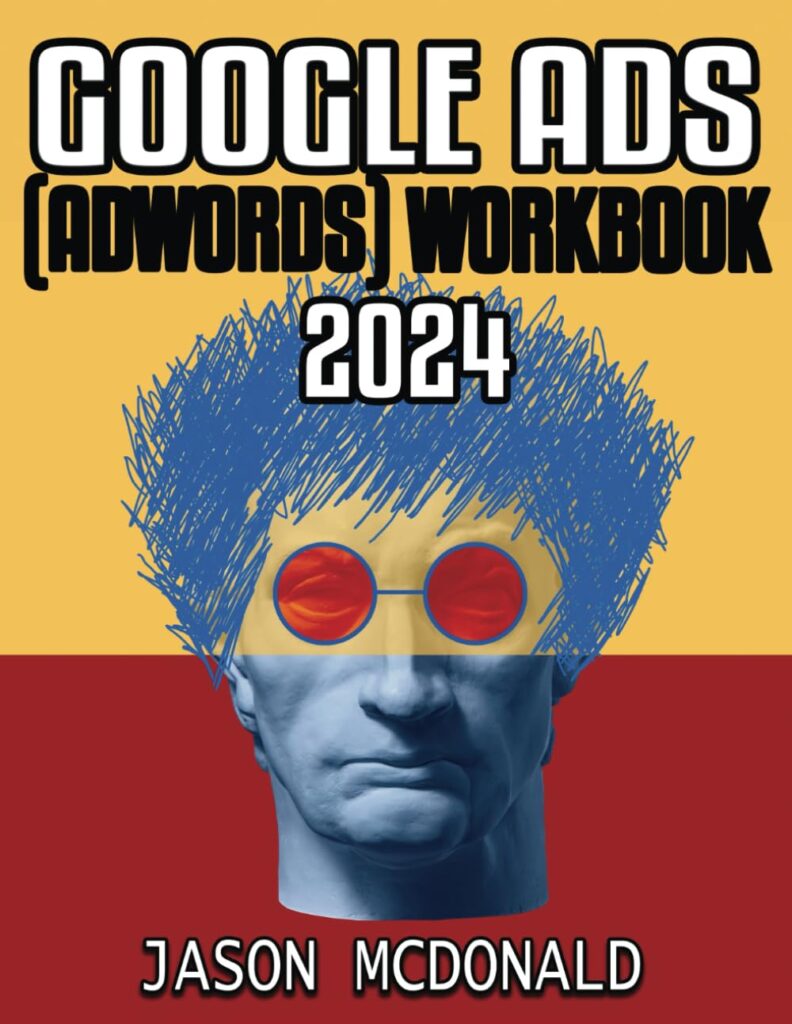
This image is property of Amazon.com.
You’ll get the most value from this workbook if you manage or want to manage Google Ads (AdWords) for your business, clients, or side projects. Whether you’re new to PPC or brushing up for 2025, it guides you through Search, Display Network, and Video/YouTube Ads with practical steps.
Choose this if you prefer a structured, hands-on path over theory-heavy textbooks. If you’re trying to reduce wasted spend, improve Quality Score, or launch Performance Max and Remarketing the right way, this fits your needs.
You’ll appreciate the workbook style—checklists, exercises, and examples that help you implement as you read. Instead of abstract advice, you get “click-here-then-do-this” guidance across keyword research, ad copy, and conversion tracking.
The 2024 edition addresses what’s changed: more automation, privacy shifts, and the rise of Smart Bidding and AI-powered campaigns. It balances automation tips with manual controls so you keep costs in check while testing what works.
The workbook helps you design, launch, and optimize profitable Google Ads campaigns across channels, reducing guesswork and preventing common pitfalls like broad-match overspend and weak tracking.
- Step-by-step setup for Search, Display, YouTube, and Performance Max
- Robust keyword research methods, including match types and negative keywords
- Frameworks for persuasive responsive search ads and ad extensions
- Clear instructions for conversion tracking, GA4 connections, and UTM tagging
- Budgeting, bidding, and Smart Bidding guidance with practical guardrails
- Account structure templates for single-product and multi-offer setups
- Playbooks for remarketing, Shopping Ads, and local campaigns
- Troubleshooting for disapprovals, low CTR, and poor Quality Score
- Checklists and worksheets to turn learning into action
The book is accessible without dumbing things down. Chapters build logically—from account setup to scaling—and the writing favors clarity over jargon. Screenshots and examples keep you oriented inside the Google Ads interface.
Coverage is broad, and the depth is strong for day-to-day execution. If you’re hunting for bleeding-edge hacks or deep data science, you won’t find that here. Instead, you get proven fundamentals updated for today’s automation-heavy landscape.
- Actionable, step-by-step approach that’s easy to follow
- Strong foundations in keyword strategy, ad copy, and conversion tracking
- Up-to-date guidance on Smart Bidding, Performance Max, and YouTube Ads
- Practical templates and checklists that speed up implementation
- Emphasis on reducing wasted spend with negative keywords and structured testing
- Not a deep dive into advanced scripting, APIs, or custom data modeling
- Some screenshots and UI references can age quickly as Google updates the platform
- If you only need high-level strategy, the workbook style may feel too granular
- Limited coverage on complex Shopping feed optimization compared to specialized e-commerce guides
If you want a friendly, practical playbook to make Google Ads work without burning budget, this workbook earns a spot on your desk. It shows you what to do today, how to measure tomorrow, and where to iterate next week.
Canva for Beginners and Pros: Design, Social Media, Branding & Marketing (Kindle Edition)
This image is property of Amazon.com.
If you want to level up your visual communication without a steep learning curve, this Kindle guide to Canva is for you. You’ll get value whether you’re a small-business owner polishing branding, a marketer publishing social media content, a content creator building marketing visuals, or a student or educator designing presentations.
Use it to plan and produce a full campaign: a cohesive brand kit, platform-specific ads, scroll-stopping Reels/Shorts thumbnails, polished presentations, and reusable templates that make your workflow faster and more consistent.
You’re guided through practical, step-by-step projects that mirror real tasks—exactly what you need when deadlines are tight. The tone is approachable, yet it doesn’t shy away from pro-level techniques like using brand guidelines, building a design system, and optimizing templates for teams. We also appreciate the attention to time-savers: drag‑and‑drop tricks, alignment and spacing shortcuts, batch resizing for social media posts, and ways to maintain brand consistency across everything you publish.
The guide’s purpose is to help you create polished visuals quickly and confidently. You’ll learn:
- Core design flows: working with templates, grids, typography pairing, and color palettes.
- Brand setup: creating and applying a Brand Kit (logos, fonts, colors) for consistent output.
- Content production: designing social media graphics, ads, presentations, and marketing collateral.
- Visual polish: background remover, SmartMockups, and tasteful animations.
- Collaboration: comments, versioning, and sharing for team feedback.
- Planning: scheduling via Content Planner and repurposing assets for multiple platforms.
- New capabilities: introductions to AI helpers like Magic Design and Magic Write for idea generation and fast copy drafts.
Expect walk-throughs that demystify the drag-and-drop editor, layers/arrange tools, brand controls, stock library usage, and exporting best practices for print and web.
The writing is friendly, clear, and focused on outcomes—you learn by doing. Screens and examples are easy to follow in Kindle format, with logical progression from beginner to advanced workflows. The structure makes it simple to jump to what you need (for instance, social post sizing, ad variations, or presentation polish), and the recurring checklists reinforce good habits so you don’t miss critical steps like color contrast or export settings. It’s concise without feeling thin, and it respects your time.
- Beginner-friendly yet packed with advanced tips for power users.
- Actionable, project-based lessons for real branding and marketing visuals.
- Strong emphasis on brand consistency and reusable templates.
- Covers recent Canva AI features (Magic Design, Magic Write) to speed ideation.
- Practical guidance on export formats, file organization, and collaboration.
- Kindle layout can make some screenshots feel small on phones.
- If you’re already a seasoned Canva expert, early chapters may feel basic.
- Not a deep dive into formal typography or color theory beyond practical use.
- Canva updates fast; a static guide may lag on the newest features.
n8n Mastery: Beginner to Pro Workflow Automation Guide (Kindle Edition)
This image is property of Amazon.com.
If you’re looking to build workflow automation without getting lost in code, or you already ship automations and want to scale them, this Kindle guide to n8n meets you where you are. You’ll find clear paths for both beginners and pros, from first trigger to production-ready pipelines.
You’ll learn to connect APIs, move data between apps, schedule background jobs, and orchestrate multi-step processes. Think: syncing CRM contacts, auto-posting marketing assets, enriching leads with third-party data, cleaning spreadsheets, and kicking off alerts in Slack or email. The book shows you how to build event-driven workflows with webhooks, handle errors and retries, and manage credentials safely—core skills for reliable automation.
The writing is friendly and direct, with step-by-step builds that progress from simple triggers to branching, loops, and conditional logic. You’re never stuck in theory; each concept is paired with a hands-on recipe. Screenshots and callouts make UI steps easy to follow, and the explanations for expressions and Function nodes (JavaScript) help you bridge from no-code to low-code comfortably.
You get repeatable patterns for API integration, pagination, rate-limiting, and throttling, plus guidance on self-hosting n8n with Docker, handling environment variables, and configuring queues and concurrency for scale. It’s the rare guide that treats reliability and observability (logging, retries, notifications) as first-class topics.
Help you master n8n end to end: design, build, test, deploy, and maintain automated workflows that integrate multiple services and grow with your workload.
- Clear walkthroughs of triggers, webhooks, and scheduled jobs
- Deep dives on nodes, credentials, OAuth, and API pagination
- Patterns for error handling, retry logic, and dead-lettering
- Using Expressions and Function nodes for data shaping
- Versioning workflows, using Git-friendly exports, and templating
- Deployment options: n8n Cloud vs self-host with Docker
- Performance tips: queues, concurrency, and scaling
- Security basics: secrets management and least-privilege access
- Checklists for testing, monitoring, and rollback
- Handy recipes for common marketing, ops, and data tasks
Chapters are well-sequenced, letting you get quick wins before tackling advanced topics. The tone stays approachable without dumbing things down, and the Kindle Edition formatting is optimized for code snippets and screenshots, making it easy to follow on desktop or tablet.
Coverage of API integration and workflow design goes beyond click-by-click steps to explain the why: when to use a node vs a function, how to avoid infinite loops, and what metrics to watch. The guidance on deployment and scaling reflects real-world ops practices, which elevates it above a basic tutorial.
- Beginner-friendly while still valuable for power users
- Strong coverage of API workflows, error handling, and retries
- Practical recipes and reusable patterns
- Useful guidance on self-hosting, Docker, and scaling
- Emphasis on security, observability, and maintainability
- Clear visuals and step-by-step instructions
- You’ll get more from the advanced chapters if you know basic JSON and HTTP concepts
- Some self-host sections assume comfort with DevOps tools
- On small Kindle screens, diagrams can feel dense
- As n8n evolves quickly, a few UI details may change over time
If you want a friendly, actionable path to building dependable n8n automations, this guide gives you the concepts, patterns, and confidence to ship.
Cybersecurity Unlocked: A Guide to Protecting Your Digital World (Kindle Edition)

This image is property of pixabay.com.
If you want to build practical, job-ready Cyber Security skills and protect your personal or business digital assets, this Kindle Edition guide gives you a structured path. You’ll move from foundational hygiene—like strong passwords, two-factor authentication (2FA), and safe browsing—to intermediate topics such as network security, cloud hardening, and incident response.
You’ll audit your devices, lock down accounts, implement backup and recovery, configure encryption, and practice phishing detection. If you manage a small team, you’ll use its checklists to roll out policies, run tabletop exercises, and set up monitoring that actually surfaces threats.
By the end, you’ll have a clear baseline checklist, a prioritized roadmap for reducing risk, and a repeatable routine for updates and reviews. You’ll know how to evaluate tools, compare vendors, and negotiate features that matter, not fluff. You’ll also be able to brief leadership with simple metrics—like patch cadence and phishing click rates—so your progress is visible, measurable, and aligned with your business goals. Now and beyond.
The tone is accessible without dumbing things down, so you keep momentum while tackling complex ideas like threat modeling and zero trust. Each chapter ends with clear action steps and a concise glossary that helps you master acronyms fast. We also like the quick “Fix It Now” boxes that let you secure the biggest gaps in under an hour.
- Purpose: Help you master core defense concepts and apply them quickly to your real life or small business.
- Step-by-step playbooks for device hardening (Windows, macOS, iOS, Android).
- Practical walkthroughs for password managers, MFA, and passkeys.
- Hands-on intros to firewalls, VPNs, DNS filtering, and secure Wi‑Fi.
- Guidance on ransomware resilience, backup strategy (3-2-1), and disaster recovery.
- Basics of compliance and privacy (GDPR/CCPA) explained in plain English.
- Mini labs for SOC fundamentals, log analysis, and SIEM trials using free tools.
- Templates: incident report, risk register, security policy, and onboarding checklist.
Chapters are short, focused, and well-sequenced. You get diagrams that clarify flows—like how TLS/SSL works—paired with real-world scenarios that show why a control matters.
Content aligns with industry guidance from NIST, OWASP, and CIS Controls. It won’t make you a pentester overnight, but it gives you enough depth to speak confidently with vendors and auditors.
Formatting is clean, links are clickable, and code/config snippets are easy to copy. The book includes downloadable PDFs so you can print checklists for your team.
- Friendly, actionable writing with zero fluff.
- Strong coverage of phishing, ransomware, and account takeover.
- Excellent templates and checklists for fast wins.
- Balanced mix of personal and small-business guidance.
- Kindle-friendly design with accessible glossaries.
- Limited offensive security; you’ll need separate training for ethical hacking.
- Compliance chapter is an overview; deep audits aren’t covered.
- A few tool screenshots age quickly, so expect minor UI mismatches.
Instrument Flying Handbook (FAA-H-8083-15B), Paperback (ASA FAA Handbook Series)

This image is property of Amazon.com.
You’ll reach for the Instrument Flying Handbook (FAA-H-8083-15B) when you’re pursuing your Instrument Rating, refreshing your IFR skills, or teaching as a CFI/CFII. It’s also a solid companion if you’re a sim enthusiast looking to fly more like a pro.
Use it to build core understanding of attitude instrument flying, navigation systems (VOR, DME, GPS/WAAS, RNAV), IFR procedures (departures, enroute, instrument approaches), automation management, and risk management. It supports your knowledge test prep and your checkride oral—then stays relevant for real-world proficiency.
You get plain-English explanations backed by full-color figures that make complex instrument concepts feel approachable. The handbook connects dots between human factors, weather, ATC operations, and cockpit technique, so you’re not just memorizing—you’re understanding.
From glass cockpit workflows to partial panel strategies and automation traps, it emphasizes habits you’ll actually use when the weather goes down or when equipment misbehaves. The tone encourages sound judgment and risk management, not just button pushing.
As part of the ASA FAA Handbook Series, this FAA text exists to standardize how you learn and teach instrument flight. It’s the authoritative baseline the industry references, making it the shared language among students, instructors, and examiners.
- Comprehensive coverage of attitude instrument flying, scan techniques, and common errors
- Navigation chapters spanning VOR, DME, GPS/WAAS, and RNAV integration
- Full IFR workflow: departures, enroute operations, holding, instrument approaches, and missed approaches
- Automation and glass cockpit management, including mode awareness and workload control
- Weather interpretation tied to IFR decision-making
- Aeromedical factors and spatial disorientation with prevention and recovery strategies
- Scenario framing that reinforces risk management and crew coordination
- Glossary, references, and clear illustrations that support fast lookups
The ASA paperback is cleanly laid out with crisp color graphics that make panel layouts, nav indications, and procedural flows easy to visualize. The binding holds up well to frequent study, flight-bag travel, and note-taking.
Concepts build logically—from scan to systems to procedures—so you can layer skills without getting lost. The writing stays friendly and direct, striking a balance between FAA precision and pilot practicality. Pair it with current charts and notices, and you’ll have a reliable, enduring reference.
- Authoritative FAA baseline; aligns your study with what examiners expect
- Excellent visuals and explanations of IFR fundamentals and glass cockpit workflows
- Strong emphasis on risk management, human factors, and real-world decision-making
- Useful across your training arc: pre-solo IFR, checkride, and ongoing proficiency
- Clear organization enables quick refreshers before flights
- As with any government handbook, some sections read dense and formal
- Not a test-prep shortcut; you may want question banks alongside it
- Procedure details can age; you should cross-check with current regs, charts, and notices
- Focuses on principles more than brand-specific avionics nuances
If you want a single, trustworthy book to anchor your instrument education, the Instrument Flying Handbook (FAA-H-8083-15B) in the ASA FAA Handbook Series gives you the depth, clarity, and real-world relevance to fly confidently in the system.
PMP Exam Prep: All-in-One Guide with Tips, Exercises, and Full-Length Practice Tests (Kindle Edition)
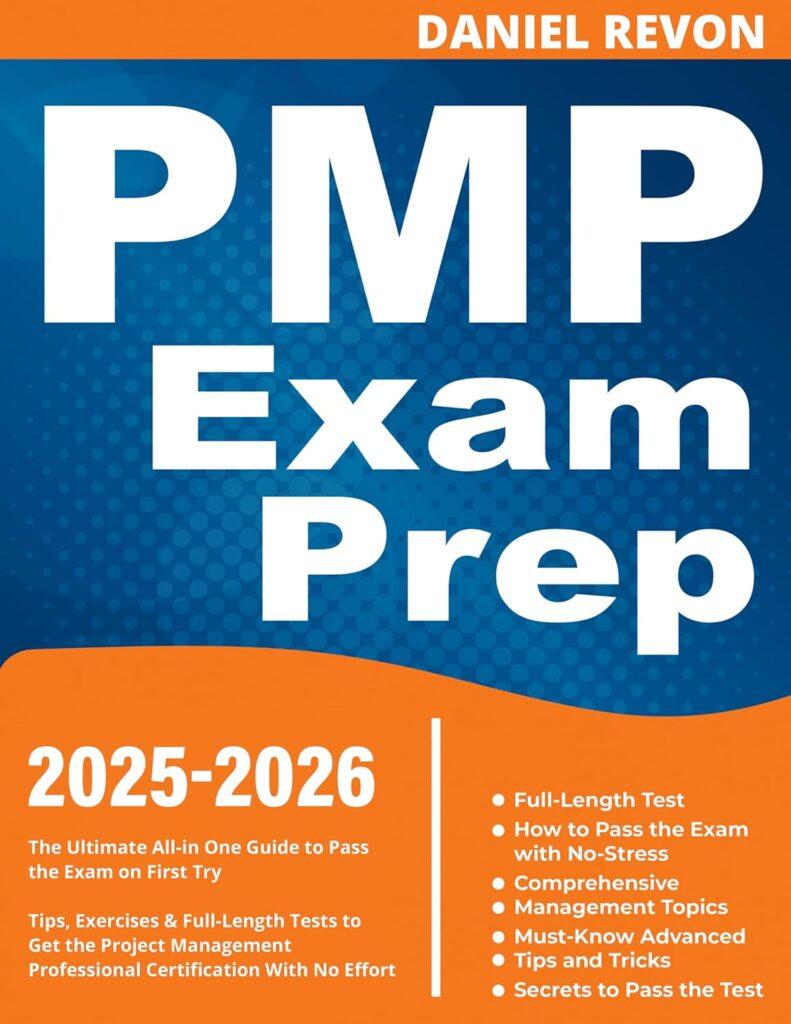
This image is property of Amazon.com.
This Kindle Edition of PMP Exam Prep is built for one goal: helping you pass the Project Management Professional (PMP) exam on your first attempt. You get a compact, all‑in‑one guide you can read anywhere, annotate, and sync across devices, so study time fits your schedule. If you’re juggling work, family, and deadlines, it steers you on what to study, when to practice, and how to handle people, process, and business environment. The included tips, exercises, and full‑length tests keep you focused on exam‑style, scenario‑based thinking—not just memorization.
You’ll appreciate how beginner‑friendly it feels without dumbing things down. The writing is conversational, and the exam strategies are practical: manage time, eliminate distractors, and choose the “best next action” in situational questions. It balances predictive, Agile, and hybrid topics, so you practice switching mindsets like you’ll need to on test day. We also like that the practice items mirror PMI’s tone—stakeholder engagement, risk responses, and ethical choices show up often. Because it’s Kindle, you can highlight, search keywords, and revisit tricky areas during spare moments, turning idle minutes into meaningful prep.
The purpose is simple: guide you from planning to passing. The book structures your effort around what the PMP tests—leadership behaviors, value delivery, and end‑to‑end project thinking.
Key features you’ll use:
- All‑in‑one coverage of the domains (people, process, business environment) with references to the PMBOK Guide and the Agile Practice Guide.
- Actionable study plans (30/60/90 days), so you always know what to read and when to drill questions.
- Chapter‑level exercises that reinforce inputs/outputs, team scenarios, and decisions under pressure.
- Multiple full‑length practice tests with detailed explanations to calibrate pacing and refine your approach.
- Focused exam tips on change control, stakeholder communication, and risk prioritization.
- Clear glossary and formulas (earned value, critical path) for last‑mile review.
- Guidance for scenario‑based questions: spot keywords, align with PMI’s mindset, and avoid common traps.
Because it’s an all‑in‑one guide, you don’t waste time stitching resources. You get structure, repetition, and realistic practice—the combination you need for a first‑try pass.
The quality is strong for a focused PMP exam prep companion. The explanations are concise, the scenarios feel relevant to modern delivery, and the pacing of chapters makes daily progress achievable. On smaller phones, densely formatted tables can feel cramped—reading on a tablet or Kindle device is smoother. The “no effort” claim in the title is marketing flair; you’ll still put in steady practice. But if you follow the plan, the combination of clear teaching, realistic practice tests, and exam‑day tactics gives you a reliable path to a pass.
Pros
- Friendly tone with clear explanations that match the current PMP mindset.
- Strong mix of content review and realistic full‑length tests with answer rationales.
- Portable Kindle format supports highlights, search, and on‑the‑go study.
Cons
- No effort title can set unrealistic expectations; you still need consistent practice.
- Some formatting (tables/diagrams) is tighter on small phone screens.
- Not a substitute for hands‑on experience; you should pair it with real project scenarios.
Comparison Overview
You’re choosing among six skill-building books that span digital marketing, design, automation, cybersecurity, aviation training, and project management. Below, you’ll find a friendly head-to-head comparison to help you quickly see which one fits your goals, skill level, tools, and timeline.
Quick Take
- Google Ads (AdWords) Workbook (Paperback, 2024): Best if you want step-by-step guidance to set up and optimize Search, Display, and YouTube ads.
- Canva For New and Advanced Creators (Kindle): Best if you want to design high-impact visuals and social content without complex software.
- n8n Mastery (Kindle): Best if you want to automate tasks, integrate APIs, and build scalable workflows in n8n.
- CYBER SECURITY UNLOCKED (Kindle): Best if you want a broad, practical cybersecurity foundation to protect your devices, data, and accounts.
- Instrument Flying Handbook (2025) FAA-H-8083-15B (Paperback, 2013): Best if you’re training for instrument flight (IFR) or want authoritative FAA guidance.
- PMP Exam Prep (Kindle): Best if you want a focused path to pass the PMP exam with tips, exercises, and full-length practice tests.
How they differ
- Domain focus:
- Marketing execution: Google Ads Workbook, Canva
- Automation/Integration: n8n Mastery
- Security/Defense: Cyber Security Unlocked
- Aviation (technical/regulatory): Instrument Flying Handbook
- Certification prep: PMP Exam Prep
- Learning style:
- Hands-on, project-based: Canva, n8n, Google Ads
- Exam-focused: PMP
- Official reference/manual: Instrument Flying Handbook
- Broad, practical overview: Cyber Security Unlocked
- Tool requirements:
- Google Ads: A Google Ads account (free to set up; budget needed to run campaigns)
- Canva: Free or Pro Canva account
- n8n: n8n Cloud or self-hosted instance; basic API familiarity helps
- Instrument Flying: Flight training context and access to FAA figures
- PMP: PMI’s exam application and study plan
- Cyber Security: No paid tools required; optional lab setup helpful
Skill level fit
- Beginner-friendly: Canva, Cyber Security Unlocked
- Beginner to intermediate with guided steps: Google Ads Workbook, n8n Mastery
- Intermediate to advanced (domain-specific): Instrument Flying Handbook, PMP Exam Prep
Recency and edition notes
- Google Ads (AdWords) Workbook: Paperback dated June 26, 2024; positioned for 2025 marketing.
- Canva, n8n, Cyber Security Unlocked, PMP: Kindle editions; digital formats are often updated more frequently.
- Instrument Flying Handbook (2025 title) lists FAA-H-8083-15B and a 2013 paperback date. Verify the edition/version you need, as FAA handbooks are periodically updated and reprinted.
Specifications and Feature Comparison Table
| Product | Format | Primary Focus | Audience | Skill Level | Core Topics | Learning Mode | Practice/Assessments | Prerequisites/Tools | Edition/Date | Notable Strengths | Potential Limitations |
|---|---|---|---|---|---|---|---|---|---|---|---|
| Google Ads (AdWords) Workbook: Advertising on Google Search, the Display Network, and Video (2025 Marketing…) | Paperback | Google Ads strategy and execution across Search, Display, YouTube | Marketers, founders, freelancers | Beginner–Intermediate | Campaign structure, keyword strategy, bidding, Quality Score, Display/YouTube, conversion tracking, remarketing | Step-by-step, workbook-style | Likely checklists/templates and exercises | Google Ads account; analytics/conversion setup recommended | Paperback – June 26, 2024 (2025-oriented) | Practical, platform-specific, action-focused | Print can’t link to live updates; platform changes frequently |
| Canva For New and Advanced Creators | Kindle | Visual design for social, branding, and marketing | Creators, small biz, social media managers | Beginner–Intermediate | Templates, brand kits, typography, layout, social/video, collaboration | Project-based tutorials | Likely projects and downloadable assets | Canva Free/Pro account | Kindle Edition | Fast results without pro design tools; accessible | Advanced design theory may be light; Pro features may be referenced |
| n8n Mastery | Kindle | Workflow automation, API integrations, scaling in n8n | Ops, engineers, no-code/low-code builders | Beginner–Advanced | Triggers, nodes, webhooks, API auth, error handling, self-hosting vs cloud, scaling | Hands-on builds and scenarios | Likely exercises and sample workflows | n8n Cloud or self-host; basic API/HTTP knowledge helpful | Kindle Edition | Bridges no-code and dev workflows; practical automation | Requires environment setup; platform evolves rapidly |
| CYBER SECURITY UNLOCKED | Kindle | Practical cybersecurity for everyday protection | Individuals, small teams, beginners | Beginner–Intermediate | Threats, passwords/MFA, network/security hygiene, device hardening, incident response, privacy | Concept + actionable steps | Likely checklists and step-by-step hardening | None required; optional virtual lab/tools | Kindle Edition | Clear, broad foundation; action-oriented tips | Not a deep technical/ certification prep manual |
| Instrument Flying Handbook (2025): FAA-H-8083-15B (ASA FAA Handbook Series) | Paperback | Official FAA guidance for instrument flight | Student/instrument-rated pilots, CFIs | Intermediate–Advanced | IFR systems, procedures, instrument scans, weather, navigation, ATC, IFR emergencies | Reference + structured study | Official figures, scenarios, knowledge checks (as per FAA style) | Flight training context; access to FAA charts/figures | Paperback – Jan 1, 2013; verify latest reprint/version | Authoritative, comprehensive for IFR | Dense and technical; ensure you have the latest edition |
| PMP Exam Prep: The Ultimate All-in One Guide… | Kindle | PMP exam preparation | Project managers aiming for PMP | Intermediate–Advanced | PMBOK-aligned domains, Agile/Hybrid, formulas, exam strategy, ethics | Study guide + exam prep | Tips, exercises, full-length practice tests (per title) | Eligibility for PMP; PMI application; study schedule | Kindle Edition | Exam-focused with practice tests; efficient prep | May focus on passing over deeper theory; verify alignment with current exam |
Product-by-Product Notes (What you’ll get and when to choose)
- Google Ads (AdWords) Workbook
- You get step-by-step guidance to build and optimize Search, Display, and YouTube campaigns.
- Choose this if you want immediate, practical improvements to ad performance and ROI.
- Best paired with a small test budget and conversion tracking.
- Canva For New and Advanced Creators
- You get approachable design workflows for social posts, brand kits, and marketing visuals.
- Choose this if you need polished graphics fast without professional design software.
- Great for building a consistent brand presence across platforms.
- n8n Mastery
- You get a path from simple automations to robust, API-driven workflows.
- Choose this if you want to reduce manual work, connect tools, or scale automations.
- Ideal if you juggle multiple SaaS apps or need custom integrations.
- CYBER SECURITY UNLOCKED
- You get a practical, non-intimidating security foundation for daily life and work.
- Choose this if you want to harden devices, accounts, and networks with clear steps.
- Good first step before deeper cert tracks like Sec+, CySA+.
- Instrument Flying Handbook (FAA-H-8083-15B)
- You get the FAA’s authoritative reference for IFR knowledge and procedures.
- Choose this if you’re in instrument training or refreshing IFR proficiency.
- Verify you’re using the latest edition/figures your instructor recommends.
- PMP Exam Prep
- You get targeted exam preparation with exercises and full-length tests.
- Choose this if you’re scheduling the PMP and need a pass-focused plan.
- Pair with PMI’s Exam Content Outline and a question bank for best results.
Which should you pick?
- You want marketing results now: Google Ads Workbook (ads execution) + Canva (visuals/brand).
- You want to save time with automation: n8n Mastery.
- You want to be safer online: Cyber Security Unlocked.
- You’re training to fly on instruments: Instrument Flying Handbook.
- You’re targeting a project management credential: PMP Exam Prep.
Tip: Some pairings complement each other. For example, Canva + Google Ads for full-funnel marketing assets and execution, or n8n Mastery + Cyber Security Unlocked to automate safely with better security hygiene.
If you need more detail about a specific edition (page count, ISBN, included downloads), tell me which one and I’ll tailor the specifics for you.
Conclusion
Across these six resources, you get a solid toolkit to grow your marketing reach, sharpen your design game, automate workflows, protect your digital life, master instrument flying fundamentals, and prepare for the PMP exam. Each book is strongest when you pair reading with hands-on practice, and a few require you to verify the latest edition or platform updates to stay current.
Quick Verdict by Product
- Google Ads (AdWords) Workbook (2025)
- You’ll appreciate its practical, step‑by‑step campaigns for Search, Display, and Video, plus clear explanations of structure, bidding, and optimization.
- Drawbacks: Google’s interface and policies change often, so screenshots and tactics can age fast; advanced attribution or scripts may be light.
- Best for: Small businesses, solo marketers, and teams launching or fixing Google Ads with a structured playbook.
- Canva For New and Advanced Creators
- Great for quickly producing polished social posts, presentations, and brand assets, with approachable workflows for both beginners and power users.
- Drawbacks: It won’t replace deep design theory; platform features evolve rapidly, so specific UI walkthroughs can go out of date.
- Best for: Entrepreneurs, social media managers, educators, and anyone who needs fast, consistent visuals.
- n8n Mastery
- Strong on real-world automations, API integrations, and scaling workflows—ideal if you want to reduce repetitive tasks and connect tools.
- Drawbacks: Self‑hosting and credentials management add complexity; some comfort with HTTP/JSON or basic scripting helps.
- Best for: Ops, RevOps, data practitioners, and no‑code/low‑code builders looking to systematize processes.
- CYBER SECURITY UNLOCKED
- Clear, actionable coverage of everyday security: passwords, phishing, device hardening, backups, and privacy basics.
- Drawbacks: Not a deep‑dive for security pros; limited coverage of advanced topics like threat hunting or exploit development.
- Best for: Individuals, families, and small businesses who want practical protection without jargon.
- Instrument Flying Handbook (FAA-H-8083-15B; “2025” listing)
- Authoritative FAA guidance on IFR procedures, avionics, aerodynamics, weather, and decision‑making—excellent for foundational understanding.
- Drawbacks: Dense and reference‑style (not an exam‑cram); verify you’re getting the latest revision that matches your training and test cycle.
- Best for: Student and current instrument pilots, and CFIs who need the official baseline.
- PMP Exam Prep (All‑in‑One)
- Useful if it includes realistic practice exams, covers predictive, agile, and hybrid approaches, and maps to the current PMI Exam Content Outline.
- Drawbacks: “No effort” is unrealistic—expect steady study; confirm it aligns with the latest ECO and complements official PMI materials.
- Best for: Working professionals targeting the PMP within 2–4 months who want a structured study path and assessments.
Drawbacks to Keep in Mind
- Platform volatility: Google Ads and Canva change frequently; prioritize concepts over screenshots and confirm updates online.
- Edition currency: For the FAA handbook and PMP prep, verify the latest revision and alignment with your exam/testing window.
- Learning curve: n8n and Google Ads reward hands‑on practice; expect some trial and error.
- Depth trade‑offs: Cybersecurity basics are practical but not expert‑level; Canva won’t replace full design curricula.
Recommendations by Audience
- Marketing and branding: Pair the Google Ads Workbook with the Canva guide to plan campaigns and deliver on-brand creative fast.
- Automation and operations: Start with n8n Mastery; add the cybersecurity book to secure your integrations and data flows.
- Aviation training: Use the Instrument Flying Handbook as your core reference; supplement with your flight school syllabus and current test prep.
- PMP candidates: Use the PMP Exam Prep book alongside PMI’s PMBOK Guide (7th ed.), Agile Practice Guide, and a reputable exam simulator; make sure you meet the 35 contact hours requirement through an approved provider.
Final Take
Choose based on your immediate goal:
- Grow revenue and awareness? Google Ads + Canva.
- Save time and reduce errors? n8n + cybersecurity basics.
- Advance in aviation? FAA Instrument Flying Handbook (latest revision).
- Level up your career with certification? PMP Exam Prep + official PMI resources.
If you commit to practice and verify you’re using the most current editions, you’ll get strong, real-world results from each of these picks.⚠️ Disclosure: This post contains affiliate links. If you purchase through them, we may earn a commission at no extra cost to you. As an Amazon Associate, we earn from qualifying purchases.
🚀 Ready to start your online income journey?
Grab your free Internet Paydays Toolkit → Click Here
🛒 Looking for the best Amazon tools and gear? We’ve curated everything you need for productivity, side hustles, and content creation.
🔧 Tools We Recommend for Online Success:
- Systeme.io – Funnels, landing pages & automation
- Pictory AI – Turn scripts into faceless YouTube videos
- Creative Fabrica – Fonts, templates & design assets
- Beehiiv – Build and grow your newsletter
- Wise – Low-fee global payments
- Printify – Print-on-demand merch & fulfillment
- Beacons.ai – All-in-one “link in bio” and creator toolkit
- Carrd – Simple, beautiful one-page websites in minutes
- Google Workspace – Professional email & productivity suite
💡 Want all of these tools in one place?
Grab our free Toolkit → Click Here
Disclosure: As an Amazon Associate, I earn from qualifying purchases.