If you’re trying to get sharper at SEO and paid search without getting lost in a sea of tabs, this mix of resources gives you a nice spread—from a practical Keyword Research Journal for tracking ideas, to strategy-heavy reads like Advanced SEO Blueprint and SEO Mastery, to focused guides such as the Google Ads (AdWords) Workbook, SEO: A Strategic Guide to Increase Web Rank, and the SEO Visual Guide – Part I. You get options for how you like to learn: a hands-on notebook for daily keyword hunting, step-by-step workbooks for campaigns, and bigger-picture playbooks that touch AI, voice search, and even blockchain concepts.
A quick history: early SEO books focused on keywords and on-page tweaks; over time, they grew into broader, strategy-first playbooks that include technical SEO, content frameworks, analytics, and now AI-assisted workflows and Google SGE considerations. Workbooks emerged to make execution easier with checklists and exercises, while visual guides simplified the learning curve for beginners. The benefit of owning these is focus and structure—you can plan campaigns, log experiments, and reference best practices without distraction. A keyword tracking notebook keeps your research organized and repeatable; an advanced blueprint helps you prioritize what moves the needle; a Google Ads workbook turns theory into campaigns; and beginner-friendly visual guides build your foundation so you don’t miss critical steps.
In this article, you’ll look more closely at each title—what it covers, who it’s best for, and how it fits into your workflow. You’ll see where the Keyword Research Journal shines for daily research sessions, how Advanced SEO Blueprint aims at SGE and AI trending tools, why the Google Ads (AdWords) Workbook is strong for search, display, and video campaigns, what the Strategic Guide offers on voice search, AI, and blockchain, where the SEO Visual Guide – Part I helps you master foundations, and how SEO Mastery ties concepts together. This way, you can pick the right mix for your goals and budget.
SEO Keyword Research & Tracking Notebook, 6 x 9 in, Paperback

This image is property of Amazon.com.
The Keyword Research Journal, SEO Tool, 6×9 Notebook, Keyword Tracking Notebook is a practical, analog companion for your day-to-day SEO and Google Ads work. You’ll use it to:
- Capture and organize keyword ideas, search intent, and SERP observations during research sprints.
- Track weekly rankings, CPC, search volume, and priority for focus terms across campaigns.
- Map ad groups, brainstorm negative keywords, and sketch landing page/content outlines.
- Take fast notes during client calls, audits, and competitor teardowns—without screen distractions.
If you like a tangible layer alongside Ahrefs, Semrush, Google Keyword Planner, or Search Console, this 6×9 paperback gives you a portable, distraction-free way to think, plan, and track.
In a world of tabs and alerts, a notebook gives you deep focus. Handwriting helps you remember insights from keyword research and client conversations, reducing the noise while you shape your strategy.
You can jot ideas instantly, draw quick funnels, and tag follow-ups before they slip. It’s great for on-the-spot keyword tracking during approvals and brainstorming sessions.
This journal nudges you to connect keywords to intent, content, and ads. That analog nudge often turns scattered data into actionable roadmaps.
Created as a straightforward, portable keyword tracking notebook, its goal is to help you plan and document SEO and Google Ads decisions you can reference anytime—on the train, in a meeting, or between tools.
- 6×9 paperback size: easy to throw in your bag and keep on your desk.
- Flexible pages: use as lined or lightly structured space for your custom layout.
- Recommended page template you can draw:
- Keyword | Intent | Volume | CPC | Difficulty | Target URL | Position | Notes | Date
- Simple indexing: reserve the first pages for an index so you can find campaigns quickly.
- Works as an analog layer with your digital stack—note exports from Google Ads, Search Console, or third-party SEO tools and track decisions over time.
As a simple paperback, it’s lightweight and easy to handle. The paper is suitable for pens or pencils (fine tips fare best), and the compact size balances writing space with portability. With reasonable care, it holds up to daily carry. Expect a clean, no-frills experience focused on utility rather than decoration.
You’ll appreciate how quickly you can flip to a campaign, add a rank check, or sketch a content cluster. While it won’t replace software dashboards, it complements them by clarifying your thinking and preserving context you might skip in a spreadsheet.
- Distraction-free thinking for SEO and Google Ads planning
- Portable 6×9 form factor; no logins, batteries, or loading time
- Encourages better documentation of intent and rationale
- Great for client meetings, workshops, and quick audits
- Low-cost way to standardize your keyword research workflow
- Manual entry; no automated rank tracking or volume updates
- Not searchable or shareable like cloud docs
- Limited pages; you’ll eventually need a new notebook
- Risk of wear-and-tear or loss if you travel often
- Duplicates data if you also maintain spreadsheets or dashboards
If you want a proven, low-friction way to capture ideas, prioritize keywords, and keep campaign context close at hand, this Keyword Research Journal is a surprisingly effective everyday tool.
Advanced SEO Blueprint: Proven Strategies for Google SGE, AI Tools, and Organic Growth (Paperback, June 23, 2025)
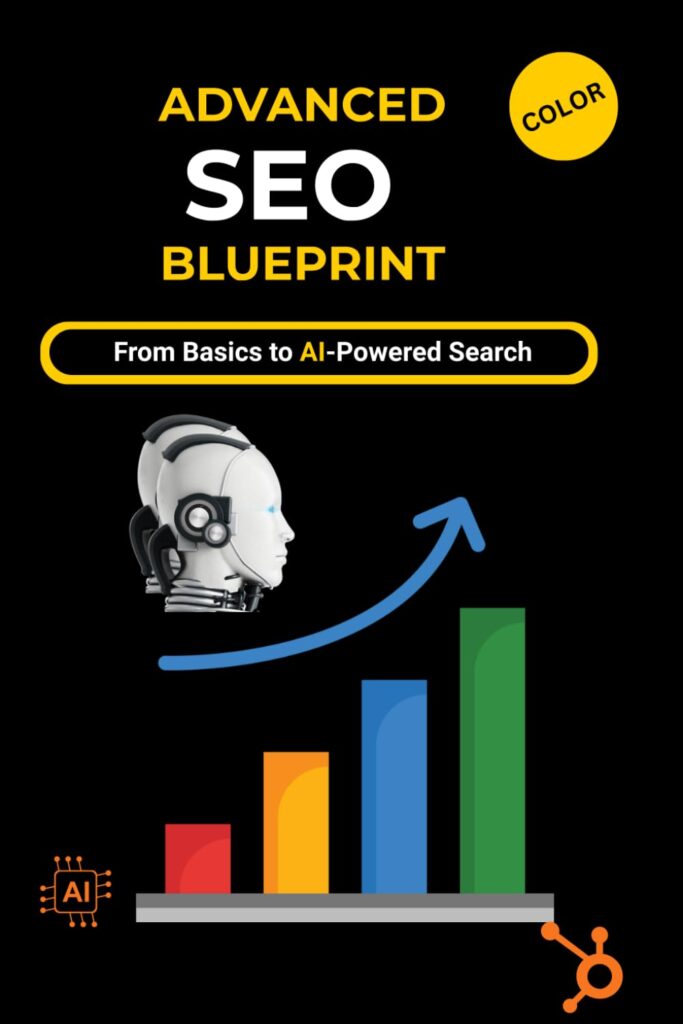
This image is property of Amazon.com.
You’ll get the most from the Advanced SEO Blueprint Book if you’re a growth-minded marketer, in-house SEO lead, or founder who needs a practical playbook for navigating Google SGE (Search Generative Experience), leveraging AI SEO tools, and accelerating organic growth in 2024–2025.
Use this paperback (published June 23, 2025) to tighten your strategy for entity-first SEO, E-E-A-T, topical authority, and structured data while building scalable workflows for AI-assisted content, keyword clustering, and cross-channel alignment with Google Ads.
- It’s laser-focused on the realities of SGE—how AI Overviews reshape discovery, how to surface in zero-click SERPs, and how to position your brand as the source engines cite.
- You get friendly, practitioner-style guidance that helps you translate AI trends into daily SEO ops: from prompt systems to content QA, from schema planning to programmatic SEO.
Treat it as your strategy bridge between SEO, content, and PPC. The book’s SGE mindset helps you tune Google Ads messaging, landing pages, and Quality Score by aligning with the same entities, intents, and context your organic program targets.
The book aims to help you future-proof your search strategy as generative results and AI-powered shopping, local, and knowledge experiences evolve. You’ll learn how to structure sites and content so algorithms can understand, trust, and feature your brand.
- SGE playbooks: positioning for AI Overviews, answer-worthiness, and snippet stability
- AI workflows: using AI tools responsibly for briefs, outlines, and metadata without losing brand voice
- Entity and schema: entity SEO, schema markup, and knowledge graph alignment
- Authority building: E-E-A-T frameworks tied to authorship, sourcing, and digital PR
- Content at scale: topic maps, keyword clustering, content velocity, and refresh cadences
- Measurement: tying Google Search Console, GA4, and PPC signals to business outcomes
The guidance feels current for 2024–2025, especially on SGE readiness, helpful content standards, and first-party data integration. Rather than chasing hacks, it focuses on durable, testable levers.
You’ll appreciate the friendly tone, clear checklists, and decision trees that make complex topics like indexation, crawl budget, and information architecture approachable. It’s practical enough for operators and strategic enough for leadership.
- Strong coverage of Google SGE and how it changes keyword research, content formats, and SERP targeting
- Actionable frameworks for entity SEO, schema, and topical authority
- Balanced view of AI SEO tools—where they boost throughput and where human expertise matters
- Connects organic growth with Google Ads for better message match and conversion lift
- Helpful for both content-led brands and technical teams pursuing programmatic SEO
- If you’re brand-new to SEO, the advanced focus may feel dense; you might want a beginner primer first
- Tool-agnostic workflows are great, but you’ll still need to adapt them to your exact stack and niche
- SGE is evolving; some tactics may require updates as Google iterates on AI Overviews and interface behavior
If you’re comparing top resources for 2024–2025, this book stands out as a high-value guide to thriving in an AI-shaped search landscape—without sacrificing fundamentals that consistently drive results.
Google Ads Workbook: Advertising on Search, Display, and Video (2025 Edition)
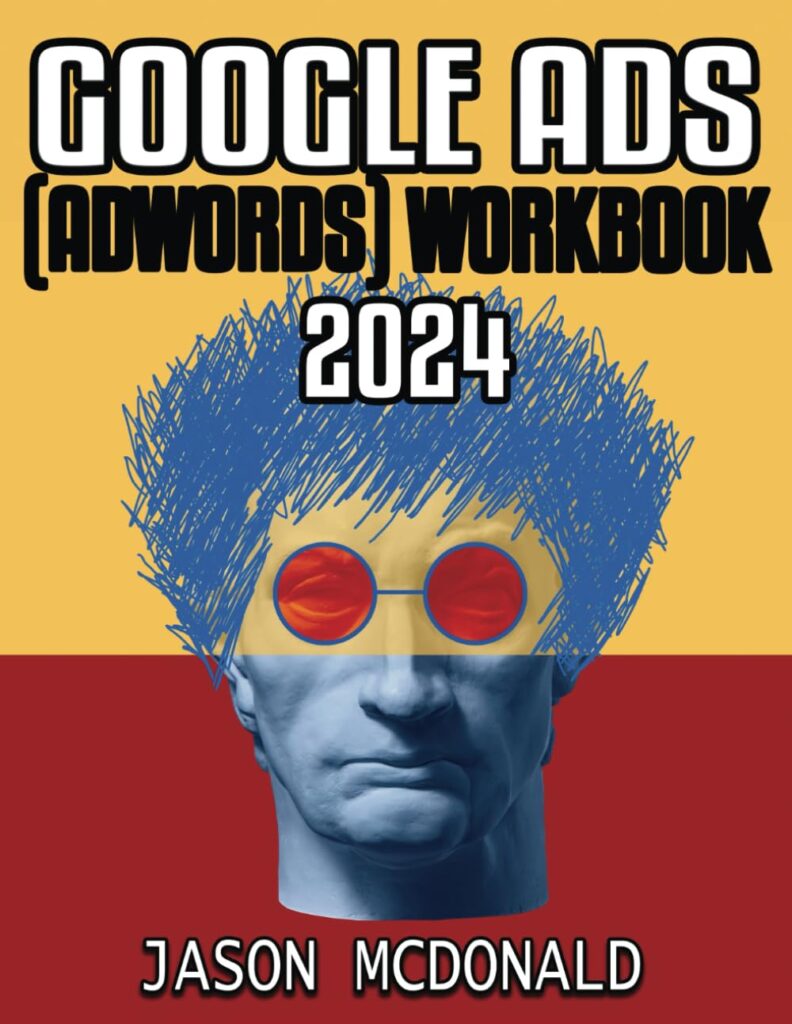
This image is property of Amazon.com.
You’ll get the most from the Google Ads (AdWords) Workbook if you’re a small business owner, marketing generalist, PPC freelancer, or in-house marketer who needs a practical, step-by-step way to run Google Ads across Search, the Display Network, and YouTube/Video. It’s also handy if you’re transitioning from organic SEO into paid media.
Use this workbook to plan and launch campaigns, structure ad groups, write Responsive Search Ads (RSAs), set up conversion tracking with GA4, and optimize budgets and bids. It walks you through keyword research, match types, negative keywords, Quality Score improvements, and Smart Bidding strategies, plus remarketing and audience targeting for Display and Video.
You’re guided with checklists and plain-English explanations that translate Google’s interface and jargon into clear, repeatable actions. The tone is friendly and direct, making complex topics—like Performance Max, attribution, and policy compliance—feel manageable.
Published in June 2024 and framed for 2025, it reflects current platform realities: RSAs by default, evolving match-type behavior, broad + audience signals, Enhanced Conversions, and YouTube formats. You get the “why” and “how” for settings that materially affect spend and results.
The workbook’s purpose is to help you design profitable PPC campaigns from scratch and keep them optimized. It encourages a test–measure–iterate mindset so you can reduce waste, improve ROAS, and scale with confidence.
- Step-by-step frameworks for Search, Display, and Video campaigns
- Action-oriented checklists for setup, launch, and weekly optimization
- Guidance on keyword research, ad copy, extensions, and landing page alignment
- Clear tutorials on conversion tracking, GA4, and UTM tagging
- Coverage of Smart Bidding (tCPA, tROAS), audience layering, and remarketing
- Advice on structuring accounts for clarity, reporting, and easier scaling
- Troubleshooting tips for disapprovals, low Quality Score, and underperforming assets
The organization is strong: each chapter builds from strategy to execution to optimization. The writing is approachable without dumbing things down, and examples map closely to what you’ll see in the Google Ads UI.
For 2024–2025, the tactics are current, especially around Performance Max, RSAs, and measurement with GA4. Advanced practitioners may want deeper dives into scripts, data-layer nuances, and offline conversion imports, but for most marketers this strikes the right balance.
- Practical, step-by-step approach you can follow immediately
- Covers Search, Display, and YouTube/Video with relevant 2025 updates
- Strong emphasis on conversion tracking, GA4, and measurement
- Useful checklists and optimization routines to cut wasted spend
- Friendly tone that makes complex PPC topics accessible
- Print format can’t update at the pace of Google’s frequent changes
- Limited depth on advanced topics like scripts, data-driven attribution modeling, and offline conversions
- Screenshots/visuals are helpful but not interactive
- Not a substitute for hands-on account access or Google’s official certifications
SEO: Strategic Guide to Boost Web Rankings with Advanced Concepts (Voice Search, AI, Blockchain) and the Latest FAANG Techniques (Paperback, August 25, 2024)
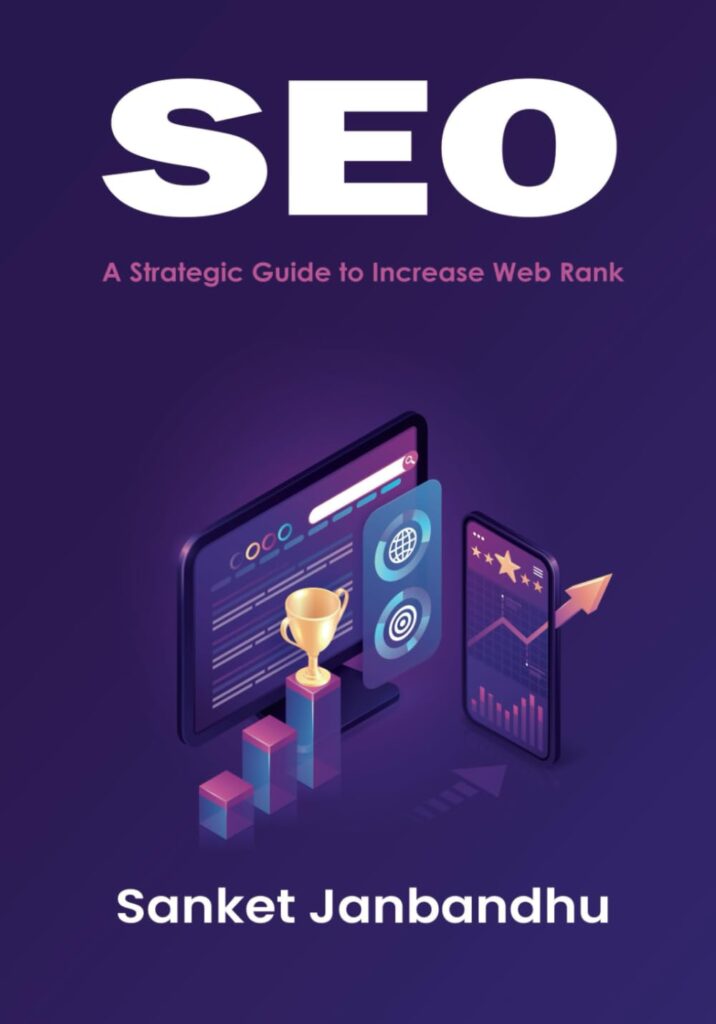
This image is property of Amazon.com.
You’ll use “SEO: A Strategic Guide to Increase Web Rank” to craft a modern, resilient SEO strategy that blends classic fundamentals with advanced topics like AI, voice search, and blockchain implications. It’s designed to help you map entity SEO, build topical authority, optimize for SGE (Search Generative Experience), and align organic growth with Google Ads for compounding impact.
If you’re a growth lead, technical SEO, content strategist, or founder who wants a strategy-first playbook for 2024–2025, this is for you. Beginners can learn a lot, but you’ll get the most value if you already understand keywords, structured data, and Search Console basics.
- It connects high-level strategy with practical workflows: from programmatic SEO and internal linking to Core Web Vitals and E‑E‑A‑T enhancements.
- The “FAANG techniques” angle is useful; you get frameworks inspired by large-scale teams without needing their budgets.
- It doesn’t treat AI as a gimmick—there are clear ways to use LLMs for clustering, intent mapping, and content QA while keeping quality high.
- How to structure sites around entities, queries, and user jobs-to-be-done.
- How to optimize for voice search using speakable and FAQ schema, concise answers, and multimodal snippets.
- How to pair Google Ads (e.g., RSAs, PMax) with SEO to accelerate data feedback loops.
- How to safeguard credibility with E‑E‑A‑T, first-party data, and transparent sourcing.
- When blockchain concepts like on-chain content signatures might help with provenance in an AI-heavy ecosystem.
Give you a strategic system to increase rankings and organic share of voice, while preparing for AI-driven SERPs and privacy-first tracking realities.
- AI-assisted research workflows: keyword clustering, intent mapping, and outline generation with human-in-the-loop QA.
- Voice search architecture: concise answer patterns, schema markup (FAQ, HowTo, Speakable), and SERP feature targeting.
- Technical excellence: Core Web Vitals tuning, indexation hygiene, JS rendering checks, log-file patterns, and crawl budget tips.
- Authority building: editorial calendars for topical authority, contributor E‑E‑A‑T, and brand Knowledge Panel nudges.
- Measurement templates: GA4, Google Search Console, branded vs. non-branded segmentation, and zero-click metrics.
- Programmatic and international SEO: scalable page models, templating guardrails, and hreflang patterns.
- Ethical AI content operations: quality gates, fact-checking, and attribution.
- Exploratory chapter on blockchain for provenance and content signing.
The tone is approachable and friendly, with dense checklists and diagrams that keep you moving. Strategy sections are strong, and the technical parts are accessible without dumbing things down. The blockchain chapter is exploratory—useful for horizon scanning, though less immediately actionable than the Core Web Vitals and entity SEO playbooks. Code snippets are light; if you want deep engineering patterns, you may need supplementary resources.
- Strong strategy layer that bridges AI, voice search, and classic SEO.
- Actionable checklists for structured data, CWV, and internal linking.
- Practical ways to align Google Ads testing with organic insights.
- Emphasis on E‑E‑A‑T, first-party data, and trustworthy sourcing.
- Useful for scaling content ops without sacrificing quality.
- The blockchain section is forward-looking and may feel speculative.
- Limited deep-dive code examples for complex JavaScript SEO scenarios.
- Beginners might need extra reading to fully leverage the advanced frameworks.
- FAANG-inspired tactics are framed well, but real-world replication depends on your resources and data maturity.
SEO Visual Guide, Part 1: Foundations – Kindle Edition by D-Libro (2025)
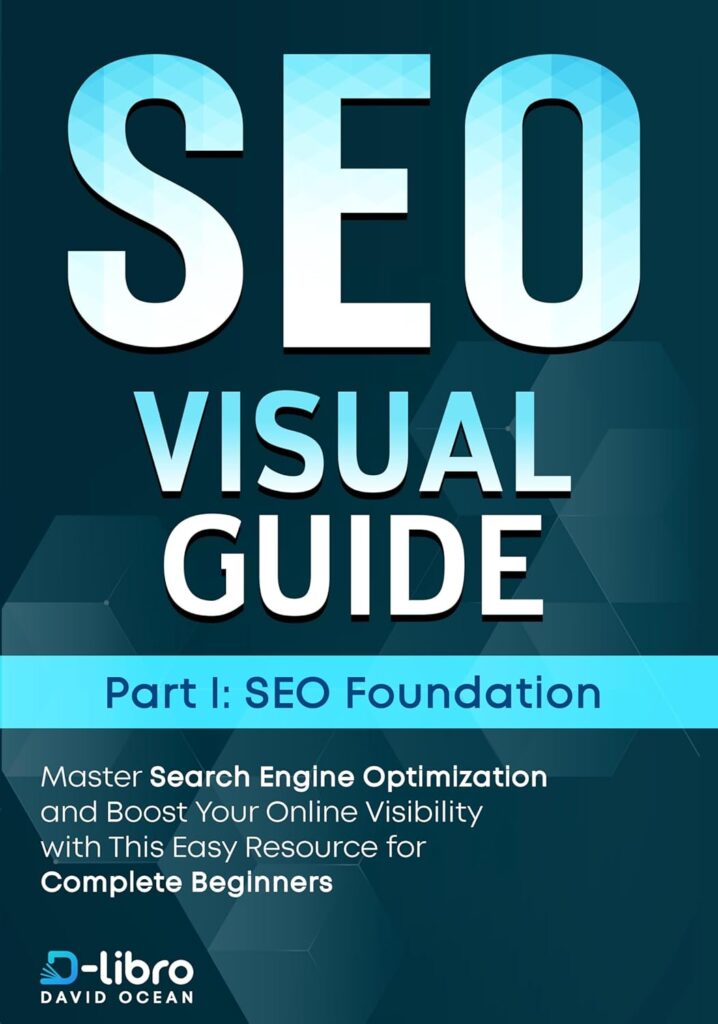
This image is property of Amazon.com.
You’ll appreciate this guide if you’re a beginner or a busy marketer who wants a clear SEO foundation without wading through dense theory. It’s also useful if you’re a founder, freelancer, or content creator who needs a visual roadmap for Search Engine Optimization that you can act on quickly.
Use it to set up or refine the essentials: keyword research, on-page SEO, basic technical SEO, and an actionable content strategy. It’s designed to help you build a scalable baseline for organic traffic that complements your Google Ads campaigns.
You get a concise, visual guide that turns complex SEO ideas into diagrams, checklists, and straightforward steps. The tone is approachable, and the structure makes it easy to jump to what you need—ideal when you’re juggling content, site updates, and reporting.
The focus on fundamentals keeps you moving: from search intent to title tags, internal linking, and basic technical health. You’ll leave with a repeatable process that helps you fix friction points and grow search visibility.
The guide’s purpose is to help you master the SEO basics so you can improve rankings, earn clicks, and convert traffic. It’s Part I of a visual series, so you’re getting the groundwork you need before tackling advanced tactics.
- Visual explanations of on-page SEO elements: title tags, meta descriptions, headers, alt text, and URL structure
- Step-by-step keyword research flow: topics, modifiers, and search intent mapping
- Practical content optimization guidance for blog posts, product pages, and landing pages
- Intro to technical SEO: page speed, mobile friendliness, indexing, sitemaps, and crawlability
- Basics of internal linking and site architecture to distribute authority
- Measurement pointers using Google Search Console and Google Analytics
- Checklists for consistent execution and team handoff
The Kindle Edition reads cleanly, with visual cues that lower the learning curve. You get enough depth to execute confidently without feeling overwhelmed. It favors practicality over jargon, and the 2025 framing keeps examples aligned with modern SERP features, E-E-A-T expectations, and Core Web Vitals awareness.
Because it’s a foundation guide, advanced topics like schema markup, complex log-file analysis, or enterprise crawl budget management are lightly touched or deferred. If you need deep technical troubleshooting or sophisticated link building frameworks, you’ll want a companion resource.
- Clear, visual explanations that make SEO concepts stick
- Strong emphasis on search intent and content quality
- Actionable checklists for on-page and technical basics
- Great fit for beginners and cross-functional teams
- Aligns well with Google Ads by improving Quality Score factors like relevance and landing page experience
- Limited coverage of advanced technical SEO and schema
- Not a deep-dive link building playbook
- Kindle visuals may require larger screens for the best experience
You want a reliable, visual playbook to build or fix your SEO foundation, create search-friendly content, and measure results with confidence—without getting lost in complexity.
SEO Mastery: Guide to Search Engine Success (Kindle Edition)

This image is property of Amazon.com.
You’ll use SEO Mastery: Unlocking the Secrets to Search Engine Success (Kindle Edition) as a practical guide to build and execute an SEO strategy that drives sustainable organic traffic, improves rankings, and increases conversions. It’s ideal if you’re a small business owner, content marketer, freelancer, or a growth-focused marketer who wants a structured playbook from fundamentals to advanced tactics.
- Launching a new site and needing on-page SEO and technical SEO checklists.
- Refreshing old content with keyword research, search intent, and content optimization.
- Building authority with link building and E-E-A-T enhancements.
- Auditing site performance against Core Web Vitals and GA4 metrics.
You get clear, step-by-step guidance—no fluff. The book turns complex topics like crawlability, indexation, and schema markup into actionable to-dos with examples, templates, and prioritization tips. It’s easy to jump from a chapter straight into your CMS and make improvements.
We like that it addresses the latest best practices, including helpful content principles, E-E-A-T, topical authority, and the role of AI-assisted content (used responsibly). It also touches on how SEO and Google Ads complement each other, helping you align paid and organic insights.
The book’s purpose is to help you master the end-to-end SEO lifecycle—from research and planning to optimization, measurement, and iteration—so you can grow qualified traffic without relying solely on ads.
- Structured keyword research frameworks (seed → modifiers → SERP analysis → mapping).
- Detailed on-page SEO playbooks for titles, headers, internal links, and featured snippets.
- Technical SEO checklists covering Core Web Vitals, site speed, mobile-first, and XML sitemaps.
- Practical content strategy: topical clusters, content briefs, and editorial calendars.
- Link building methods with ethical digital PR and outreach templates.
- Guidance on local SEO (GBP optimization, NAP consistency, local citations).
- Measurement section using Google Search Console, GA4, and Looker Studio dashboards.
- Smart use of AI tools for ideation and outlines while maintaining human quality standards.
The writing is friendly and focused, making complex ideas accessible. Chapters are organized to support quick reference, which works well on Kindle: you can search terms like “canonical tags” or “entity SEO” and jump right in.
If you’re new to SEO, you’ll appreciate the clarity and order of operations. If you’re intermediate, the frameworks for topic clustering, internal linking, and content refreshes will help you scale. Advanced technical SEOs might want deeper dives, but the checklists are still useful for audits and team alignment.
- Actionable checklists and frameworks you can implement immediately.
- Up-to-date with E-E-A-T, helpful content, and Core Web Vitals guidance.
- Strong coverage of keyword research, on-page, content strategy, and measurement.
- Kindle-friendly organization for fast reference during audits.
- Bridges SEO and Google Ads insights for holistic growth.
- Not a substitute for hands-on testing and continuous experimentation.
- Kindle formatting can compress tables or code snippets on smaller screens.
- Limited depth on highly advanced technical SEO edge cases.
- Focuses mainly on SEO; Google Ads tactics are referenced but not deeply taught.
Comparison of 6 SEO/Marketing Products
You’re looking at a mixed set of resources—some are how-to books, one is a visual foundation guide, one is a general “mastery” overview, and one is a blank keyword-tracking notebook. Below, you’ll see how they differ, what each one is best for, and a clean table to scan the specs at a glance.
Quick Take
- You want a blank tracker to organize keywords over time: choose the Keyword Research Journal (6×9 notebook).
- You want advanced, modern SEO with SGE/AI emphasis: choose the Advanced SEO Blueprint Book (2025).
- You want hands-on Google Ads (Search, Display, Video) practice: choose the Google Ads (AdWords) Workbook (2025 edition).
- You want strategic SEO with topics like voice search, AI, and blockchain: choose SEO: A Strategic Guide to Increase Web Rank (2024).
- You want a beginner-friendly, visual foundation: choose Search Engine Optimization (SEO) Visual Guide – Part I (Kindle, 2025).
- You want a general, all-in-one SEO overview in Kindle format: choose SEO Mastery: Unlocking the Secrets to Search Engine Success.
What Makes Them Different
By learning stage
- Beginner: SEO Visual Guide – Part I (foundation), SEO Mastery (general overview)
- Intermediate: Google Ads (AdWords) Workbook (practical, channel-specific), SEO Mastery (if you want a broad refresher)
- Advanced: Advanced SEO Blueprint Book (SGE/AI), SEO: A Strategic Guide to Increase Web Rank (voice/AI/blockchain topics)
- Not a reading resource: Keyword Research Journal (a 6×9 blank notebook for tracking)
By format
- Paperback: Keyword Research Journal (2018), Advanced SEO Blueprint Book (2025), Google Ads (AdWords) Workbook (2024), SEO: A Strategic Guide… (2024)
- Kindle: SEO Visual Guide – Part I (2025), SEO Mastery (date not specified)
By focus
- SEO foundations (visual, beginner): SEO Visual Guide – Part I
- Broad SEO overview: SEO Mastery
- Advanced SEO and AI/SGE: Advanced SEO Blueprint Book
- Strategic/advanced topics (voice search, AI, blockchain): SEO: A Strategic Guide to Increase Web Rank
- Google Ads (Search, Display, Video): Google Ads (AdWords) Workbook
- Organization/tracking: Keyword Research Journal (6×9 notebook)
Product-by-Product Specifications
1) Keyword Research Journal, SEO Tool, 6×9 Notebook, Keyword Tracking Notebook — Paperback (May 23, 2018)
- Format: Paperback
- Release date: May 23, 2018
- Dimensions: 6×9 (as stated in the title)
- Focus: Blank keyword tracking and notes
- Suggested level: Any (it’s a tool, not a tutorial)
- Best for: Keeping your keyword ideas, SERP notes, and rankings organized on paper
- Page count/author: Not specified
2) Advanced SEO Blueprint Book: Proven strategies for Google SGE, AI Tools & Organic Growth — Paperback (June 23, 2025)
- Format: Paperback
- Release date: June 23, 2025
- Focus: Advanced SEO with emphasis on Google SGE and AI tools (per title)
- Suggested level: Advanced
- Best for: You want up-to-date tactics around AI-influenced search and organic growth
- Page count/author: Not specified
3) Google Ads (AdWords) Workbook: Advertising on Google Search, the Display Network, and Video (2025 Marketing – Social Media, SEO, & Online Ads Books) — Paperback (June 26, 2024)
- Format: Paperback
- Release date: June 26, 2024
- Focus: Google Ads across Search, Display, and Video
- Suggested level: Beginner to intermediate (practical workbook style inferred from title)
- Best for: You want structured, hands-on Google Ads learning and campaigns
- Page count/author: Not specified
4) SEO: A Strategic Guide to Increase Web Rank: Advance Concepts like Voice Search, AI, Blockchain in SEO | Latest Technique used by FAANG companies — Paperback (August 25, 2024)
- Format: Paperback
- Release date: August 25, 2024
- Focus: Strategic and advanced concepts (voice search, AI, blockchain; title claims techniques used by FAANG companies)
- Suggested level: Intermediate to advanced
- Best for: You want higher-level strategy and emerging-tech angles in SEO
- Page count/author: Not specified
5) Search Engine Optimization (SEO) Visual Guide – Part I: SEO foundation (Skill Development Series by D-Libro, 2025) — Kindle Edition
- Format: Kindle
- Release date: 2025 (specific day not provided)
- Focus: SEO foundations in a visual, easy-to-follow style (per title)
- Suggested level: Beginner
- Best for: You prefer visual, beginner-friendly explanations to build a strong base
- Page count/author: Not specified
6) SEO Mastery: Unlocking the Secrets to Search Engine Success — Kindle Edition
- Format: Kindle
- Release date: Not specified
- Focus: General SEO mastery/overview (per title)
- Suggested level: Beginner to intermediate
- Best for: You want an all-round SEO overview in ebook format
- Page count/author: Not specified
Side-by-Side Comparison Table
| Title | Format | Release Date | Primary Focus | Suggested Level | Best For |
|---|---|---|---|---|---|
| Keyword Research Journal (6×9) | Paperback | May 23, 2018 | Keyword tracking notebook (blank) | Any | Organizing keyword research and rankings on paper |
| Advanced SEO Blueprint Book (SGE, AI, Organic Growth) | Paperback | June 23, 2025 | Advanced SEO with SGE/AI emphasis | Advanced | Staying current with AI-era SEO strategies |
| Google Ads (AdWords) Workbook (2025) | Paperback | June 26, 2024 | Google Ads: Search, Display, Video | Beginner–Intermediate | Learning/practicing paid search and YouTube/display ads |
| SEO: A Strategic Guide to Increase Web Rank | Paperback | Aug 25, 2024 | Strategy + advanced topics (voice, AI, blockchain) | Intermediate–Advanced | Strategic planning and emerging-tech insights |
| SEO Visual Guide – Part I (Foundation) | Kindle | 2025 | Visual, foundational SEO | Beginner | Learning the basics with an easy visual approach |
| SEO Mastery: Unlocking the Secrets to Search Engine Success | Kindle | Not specified | Broad SEO overview | Beginner–Intermediate | A general-purpose SEO refresher/overview |
Recommendations: Which One Should You Choose?
- You’re new to SEO and want a gentle start: pick the SEO Visual Guide – Part I (Kindle). It focuses on foundations and is designed to be easy to follow.
- You want a broad overview in ebook form: pick SEO Mastery.
- You want to run ads and need step-by-step help: pick the Google Ads (AdWords) Workbook (2025).
- You’re focused on advanced, up-to-date organic SEO with AI/SGE in mind: pick the Advanced SEO Blueprint Book (2025).
- You want strategic SEO with cutting-edge topics like voice, AI, and blockchain: pick SEO: A Strategic Guide to Increase Web Rank (2024).
- You need a physical tool to log and track keywords: pick the 6×9 Keyword Research Journal.
Note: Page counts, authors, and detailed contents aren’t provided here. If those details matter to you, check the product pages for previews and tables of contents before you buy.
Conclusion: Choosing the Right SEO and Ads Resource for You
What Stands Out
- If you want actionable PPC help, you’ll get the most immediate wins from the Google Ads (AdWords) Workbook (2024). It’s practical and geared toward running real campaigns across Search, Display, and Video.
- For current, forward-looking SEO strategy, the Advanced SEO Blueprint Book (2025) focuses on Google’s SGE/AI shifts and organic growth—useful if you’re already comfortable with SEO basics and need to stay ahead.
- If you’re just starting SEO, the SEO Visual Guide – Part I (2025) is beginner-friendly and visual, making foundational concepts easy to grasp.
- SEO Mastery: Unlocking the Secrets to Search Engine Success offers a broad overview that’s approachable for newcomers and helpful as a refresher for intermediate learners.
- SEO: A Strategic Guide to Increase Web Rank leans into “next-wave” topics like voice search, AI, and blockchain. It’s helpful for strategic thinking, though some claims (like “FAANG techniques”) should be taken as directional rather than definitive.
- The Keyword Research Journal (2018) is a simple, no-frills notebook that helps you stay organized when planning and tracking keywords—great for focus and habit-building alongside your digital tools.
Potential Drawbacks to Consider
- Freshness and change: SEO and Google Ads evolve quickly. Even newer titles can lag behind current features, especially around AI Overviews/SGE, SERP layouts, and campaign automations.
- Overlap: You may find redundancy between SEO Mastery and the Strategic Guide—choose one if you want to avoid repetition.
- Buzzword risk: Topics like blockchain in SEO are still niche. Treat them as exploratory, not core.
- Format limits: Kindle visuals and formatting can be hit-or-miss, especially for diagrams or step-by-steps.
- The notebook is analog: The Keyword Research Journal won’t integrate with your tools or update automatically—it’s best as a companion to software.
Recommendations by Audience
- If you’re a beginner to SEO: Start with the SEO Visual Guide – Part I. Pair it with SEO Mastery if you want a broader playbook.
- If you need PPC/paid results now: Choose the Google Ads (AdWords) Workbook (2024) for hands-on guidance you can implement immediately.
- If you’re intermediate to advanced in SEO: Go for the Advanced SEO Blueprint Book (2025) to understand how SGE and AI are reshaping organic strategy.
- If you’re a strategist or tech-curious marketer: Pick SEO: A Strategic Guide to Increase Web Rank for higher-level thinking on voice, AI, and emerging concepts.
- If you’re building consistent research habits: Use the Keyword Research Journal to structure your keyword ideas, SERP notes, and tracking alongside your favorite SEO tools.
Bottom Line
You’ll get the clearest, fastest path to results by matching your choice to your current goal:
- Learn SEO fundamentals? Pick the SEO Visual Guide – Part I (and add SEO Mastery if you want more breadth).
- Scale PPC performance? Choose the Google Ads Workbook.
- Stay competitive in the AI/SGE era? Select the Advanced SEO Blueprint (2025).
- Explore strategic/advanced topics? Consider the Strategic Guide focused on voice/AI/blockchain.
- Improve your workflow and focus? Add the Keyword Research Journal as a practical companion.
If you’re unsure, start with the Visual Guide for foundations and the Google Ads Workbook for revenue-driving campaigns. Then layer in the Advanced SEO Blueprint as you progress. This combo gives you solid fundamentals, real-world execution, and future-ready strategy without unnecessary overlap.⚠️ Disclosure: This post contains affiliate links. If you purchase through them, we may earn a commission at no extra cost to you. As an Amazon Associate, we earn from qualifying purchases.
🚀 Ready to start your online income journey?
Grab your free Internet Paydays Toolkit → Click Here
🛒 Looking for the best Amazon tools and gear? We’ve curated everything you need for productivity, side hustles, and content creation.
🔧 Tools We Recommend for Online Success:
- Systeme.io – Funnels, landing pages & automation
- Pictory AI – Turn scripts into faceless YouTube videos
- Creative Fabrica – Fonts, templates & design assets
- Beehiiv – Build and grow your newsletter
- Wise – Low-fee global payments
- Printify – Print-on-demand merch & fulfillment
- Beacons.ai – All-in-one “link in bio” and creator toolkit
- Carrd – Simple, beautiful one-page websites in minutes
- Google Workspace – Professional email & productivity suite
💡 Want all of these tools in one place?
Grab our free Toolkit → Click Here
Disclosure: As an Amazon Associate, I earn from qualifying purchases.